
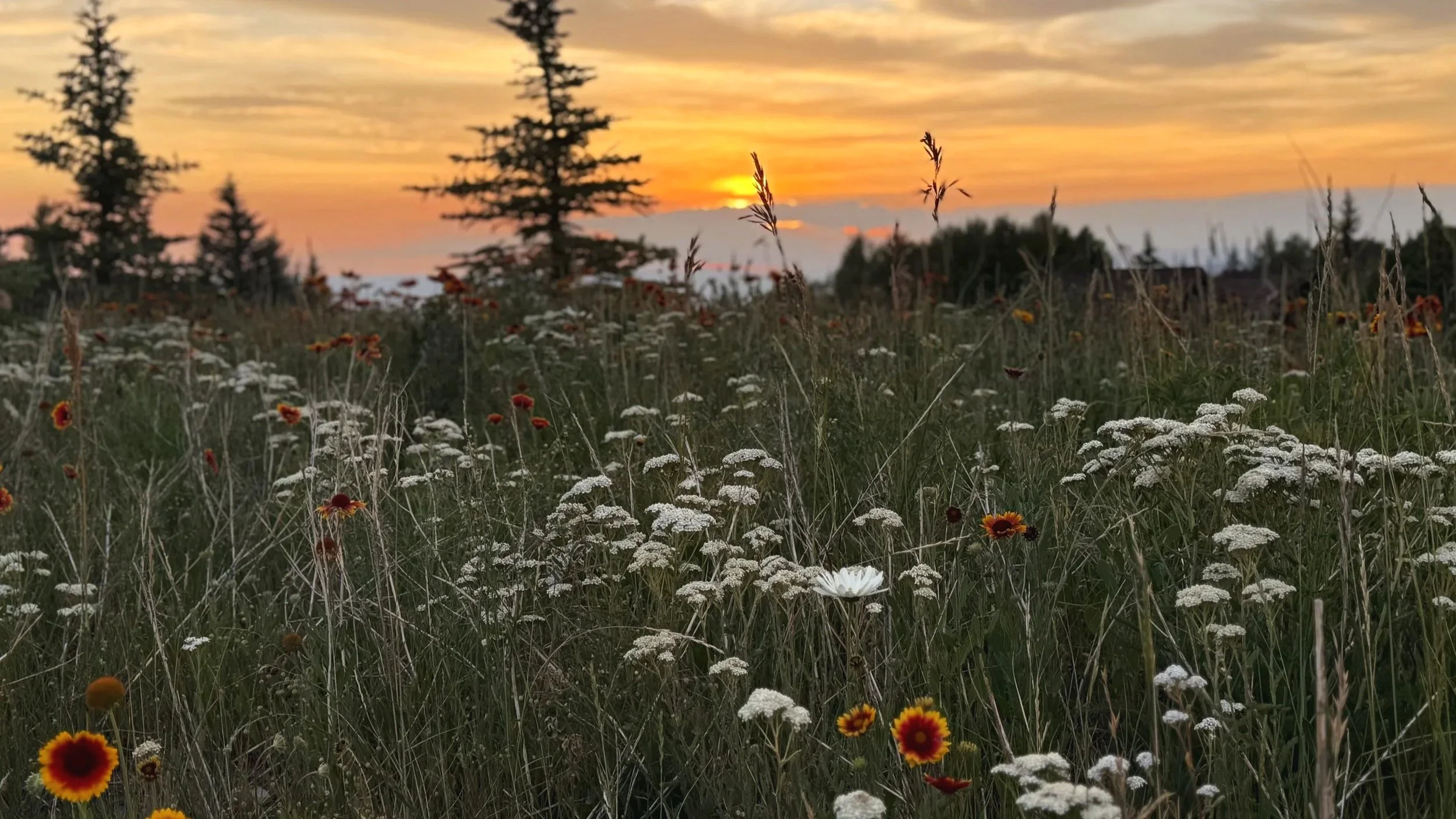
My design inspiration doesn’t come from Pinterest.
It evolves from experience — from interacting with beauty in the real world, and from noticing how beauty and function coexist in the spaces we move through every day.
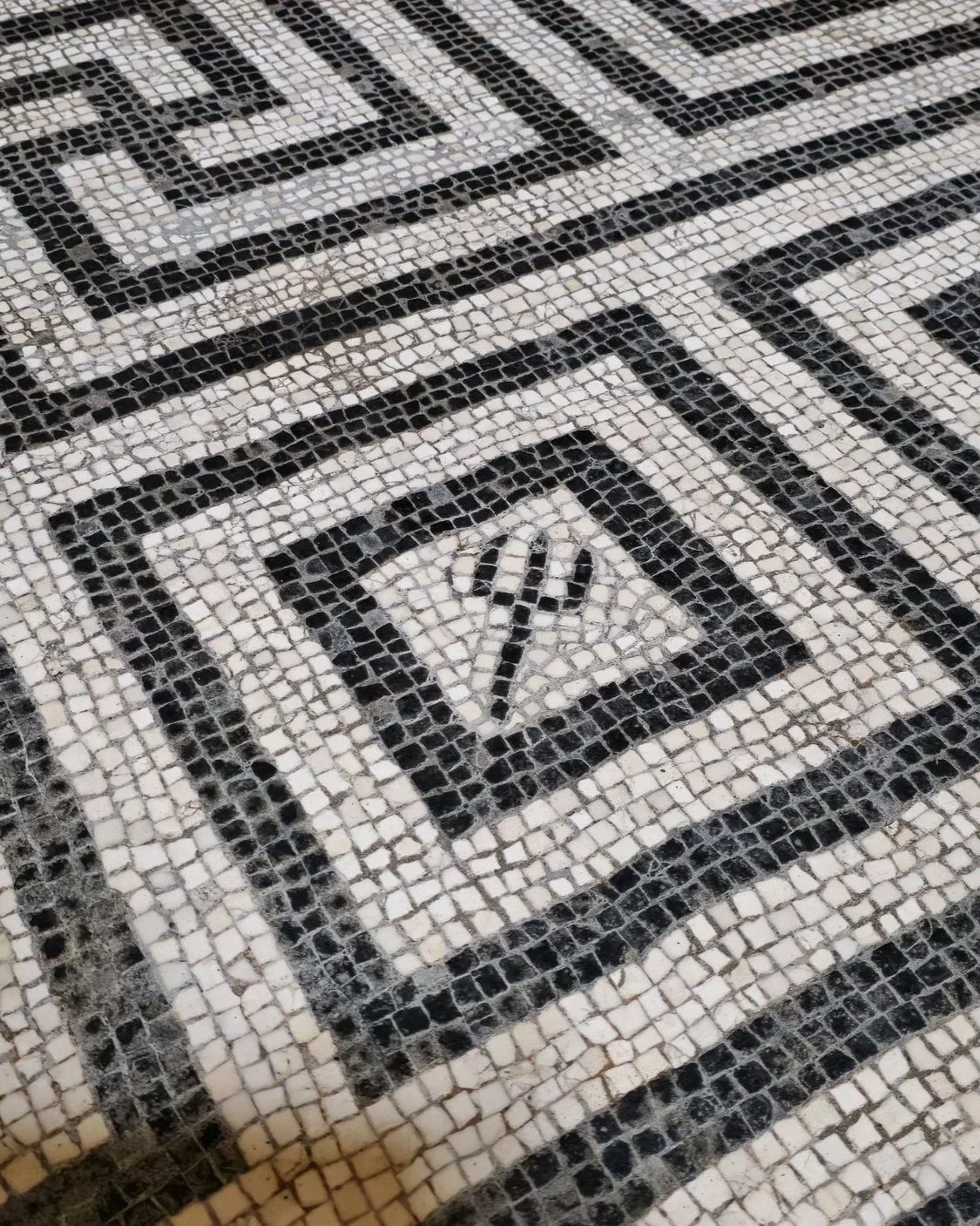
I’m inspired by nature and landscape, by history, and by the lived experience of the people who came before us. Walking through ancient Roman cities like Herculaneum, I’m struck by the artistry and intention behind even the most utilitarian elements — intricate mosaic floors, frescoed walls, and worn stone steps shaped by centuries of daily life. In these spaces, beauty and function were never separate ideas; they were designed to last.
I’m equally drawn to the quiet confidence of places shaped over time — cobblestone streets worn smooth, the balance and rhythm of historic gardens, and interiors that have evolved rather than been styled. There’s a groundedness to these environments that feels timeless.
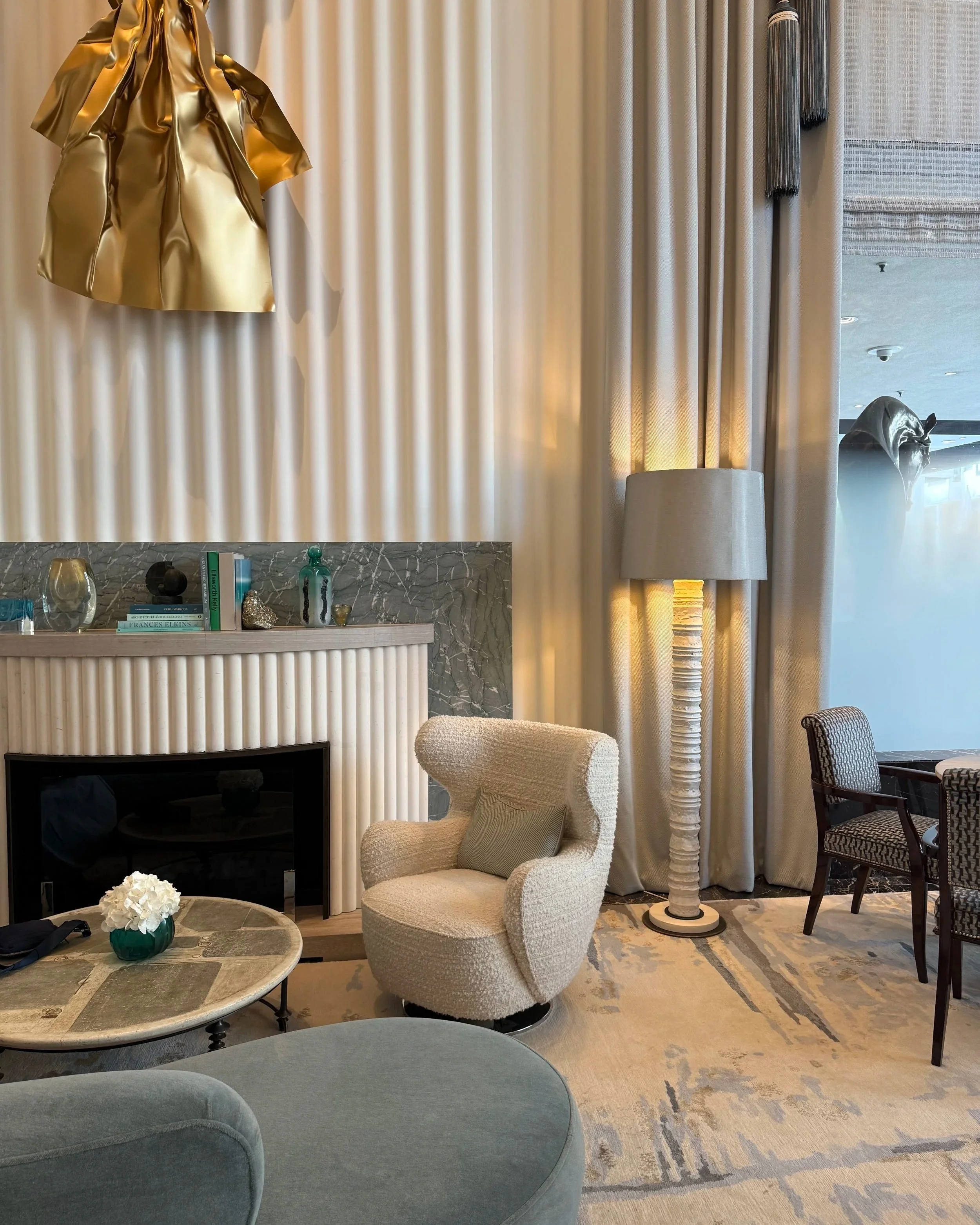
Travel also plays an important role in how I experience design. Thoughtfully designed contemporary spaces — especially calm, refined city hotels — demonstrate how modern design can still feel layered, restrained, and deeply connected to experience. The best of these environments aren’t about spectacle; they’re about proportion, materiality, light, and flow.
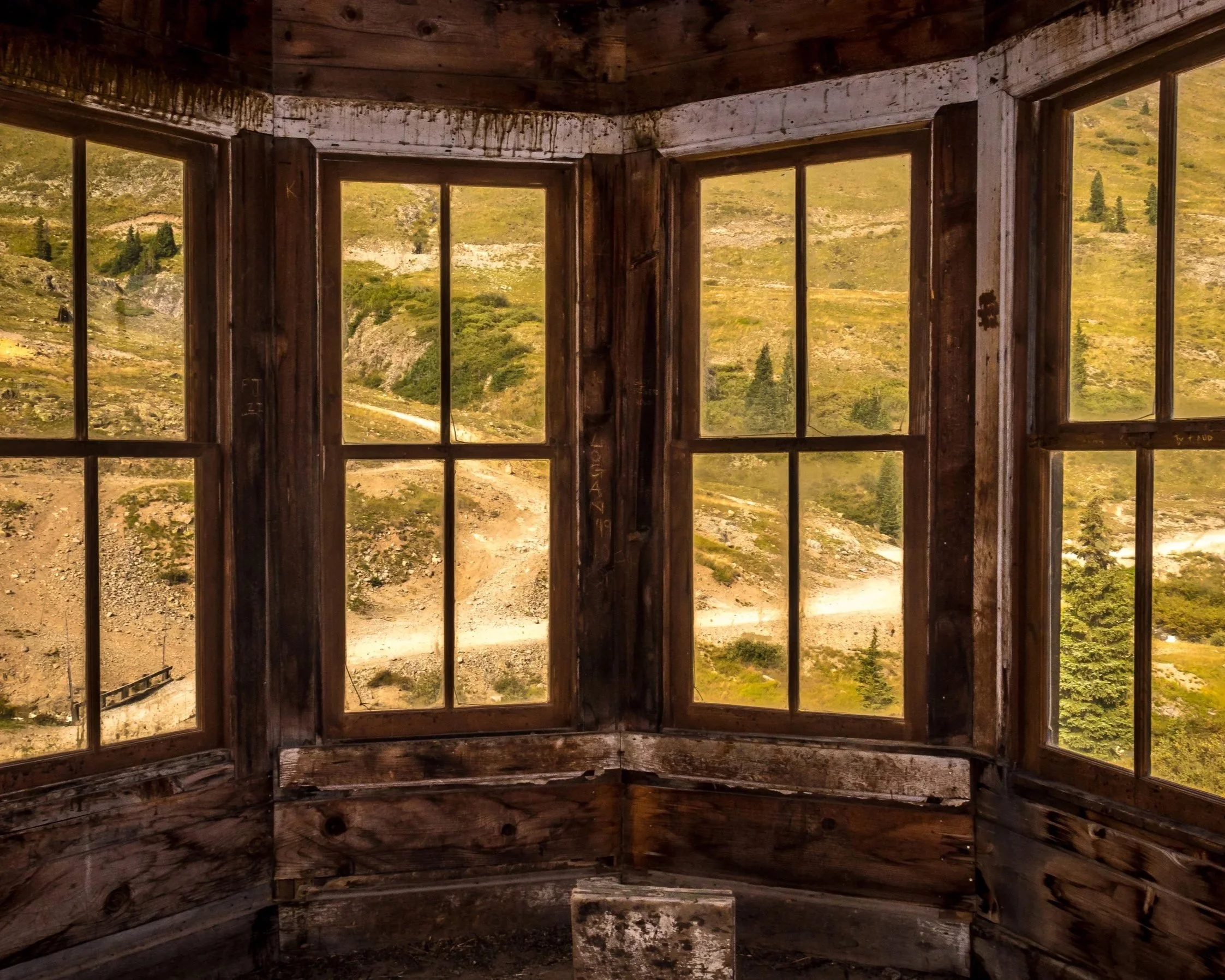
Some of the most influential spaces for me are purpose-built. High in the Colorado mountains, in alpine huts originally built for training during World War II, I find inspiration in weathered wood, uneven stone steps, and simple structures that frame vast, breathtaking views. These spaces aren’t decorative — they’re honest, resilient, and deeply connected to their surroundings.
Inspiration finds me in nature as well. Whether hiking through alpine terrain or skiing under a clear blue sky, I’m drawn to contrast, rhythm, and scale — the outline of snow-covered trees, the softness of wildflowers in a summer meadow, the way landscape shapes how we move and feel within it.

Rather than recreating what I’ve seen, I focus on translating how a place feels — its balance, restraint, and relationship to its environment. My goal is always to create interiors that are layered and intentional, that honor materials and craftsmanship, and that reflect the way my clients live.
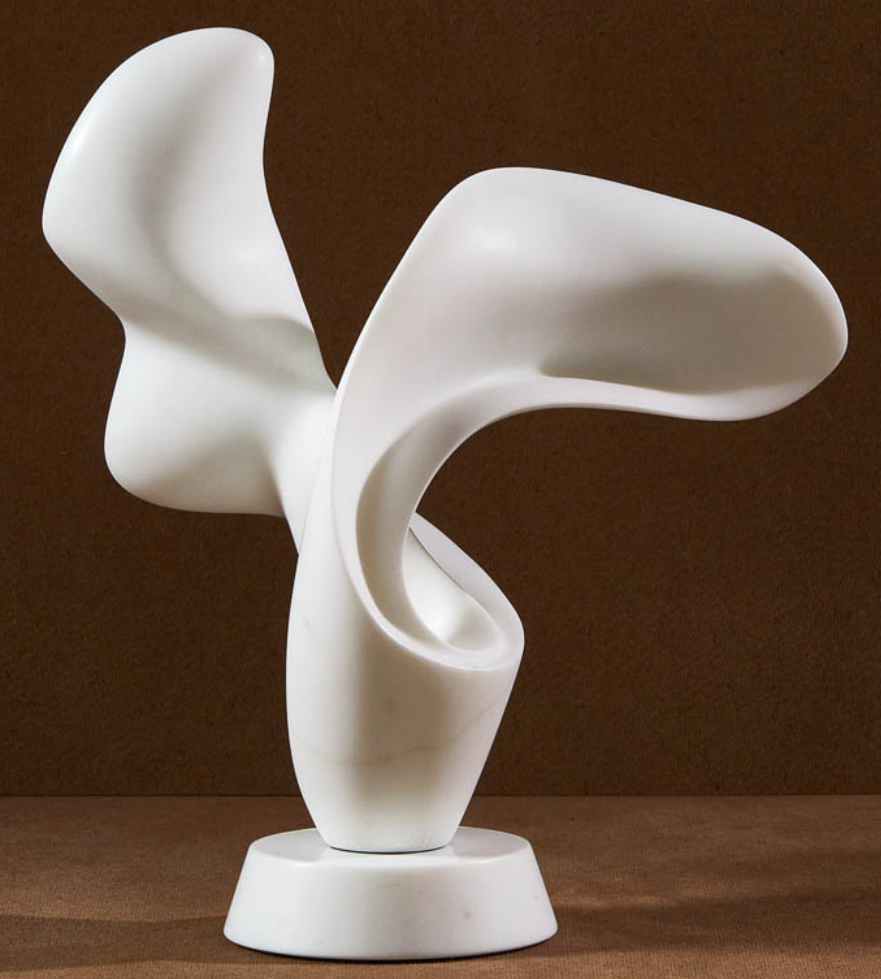
Velo, by Richard Erdman. (Photo courtesy of Christopher-Clark Fine Art)
Great design isn’t about following trends.
It’s about paying attention — to place, to history, and to the spaces that quietly stay with you.
If you’re drawn to spaces that reflect the way you live, I’d love to work together.
