
What Really Creates a High-End Feel in a Home
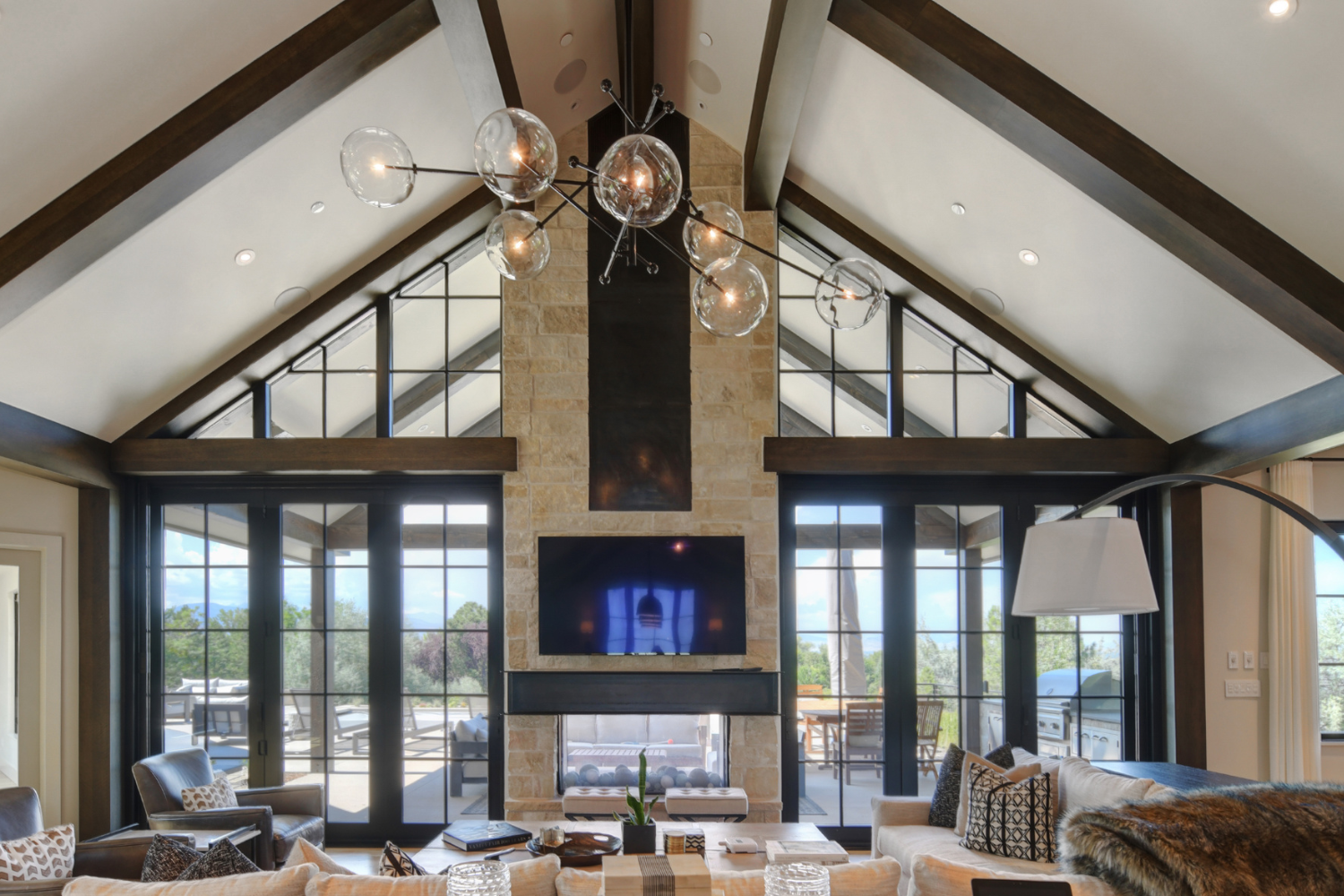
Great design isn’t about adding more or choosing the most expensive pieces. What creates a high-end feel in a home is often much quieter — a series of thoughtful decisions that shape how a space looks, feels, and functions over time.
Often, it’s not one standout element, but how everything works together. The balance, the flow, the way materials, light, and scale all align.
These are the elements I’m always thinking about when designing spaces that feel refined, cohesive, and truly livable.
Start with the Architecture
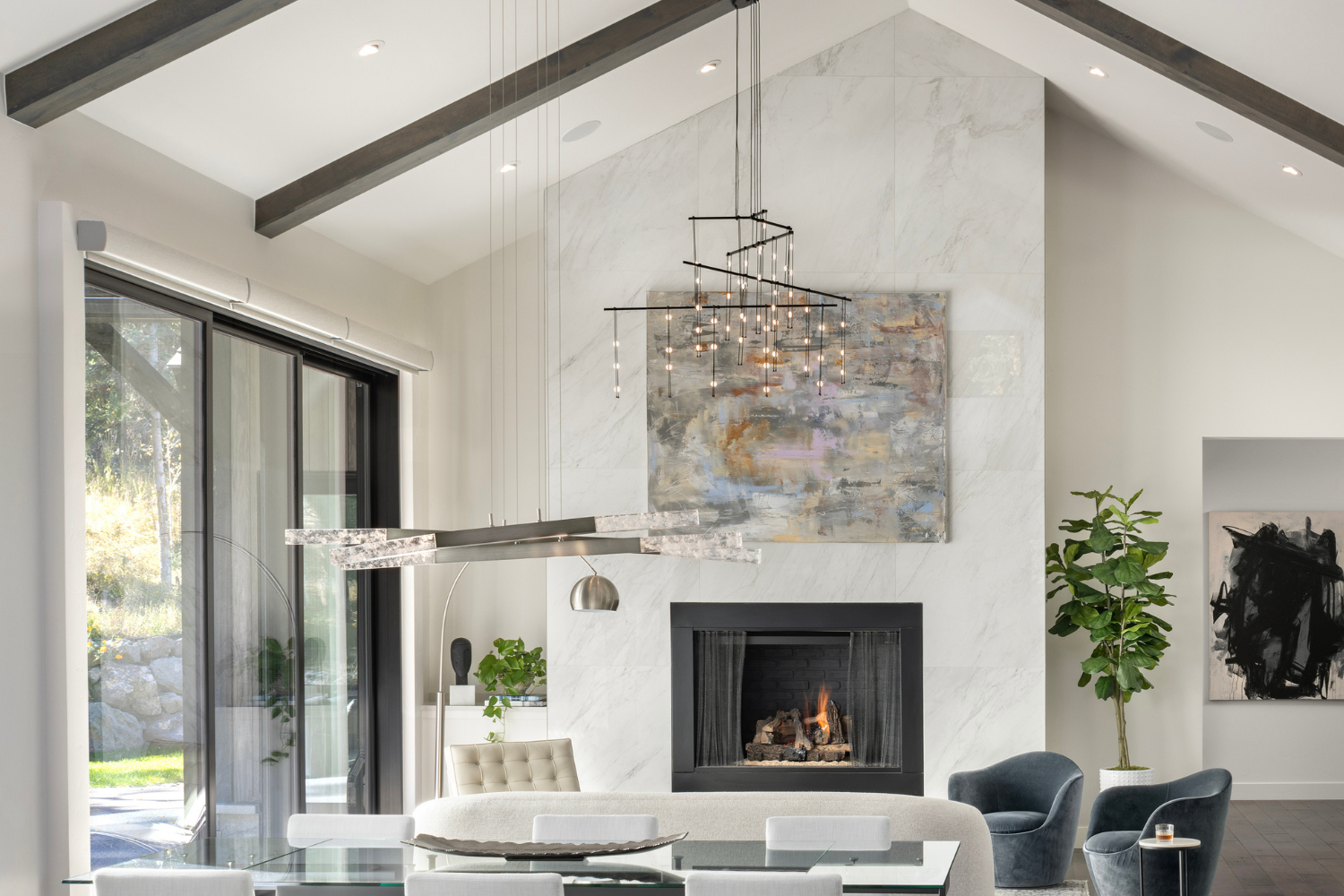
Before layering in furnishings or materials, I always begin with what’s already there — the architecture, ceiling lines, natural light, and overall structure of the space.
These elements set the foundation. When they’re acknowledged and supported, everything that follows feels more cohesive and intentional.
Rather than competing with the architecture, the goal is to work with it — reinforcing strong lines, creating balance, and allowing key features to anchor the room.
Let the Materials Do the Work
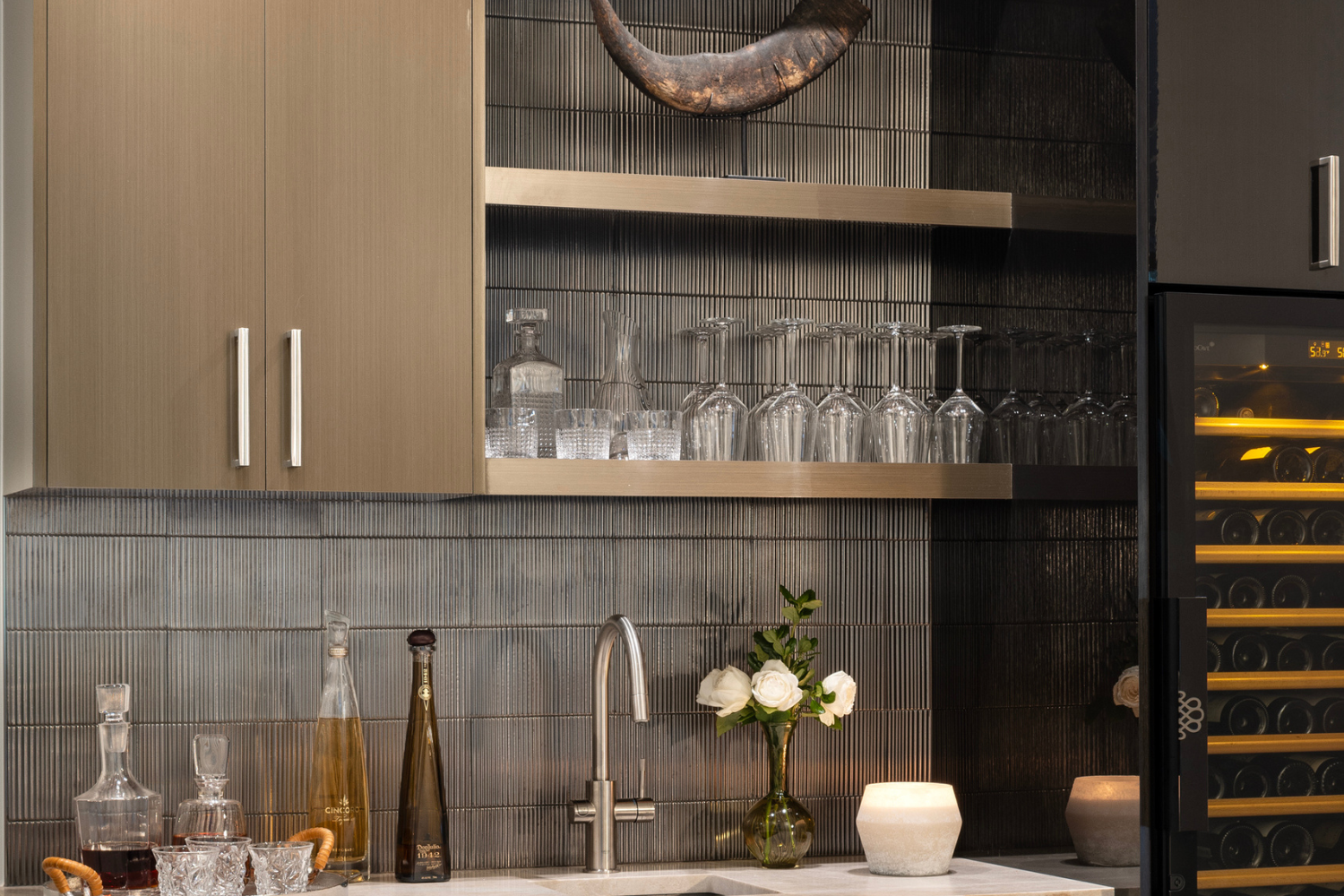
A well-designed space doesn’t rely on a single standout finish. It’s the combination of materials — and how they relate to one another — that creates depth.
I’m always thinking about contrast and balance:
smooth with textured
light with grounded
refined with organic
When these relationships are considered early, the space begins to feel layered and complete, without needing to add more later.
Keep Scale and Proportion in Check
One of the most common challenges I see isn’t a lack of good pieces — it’s how those pieces relate to the room.
Scale and proportion quietly influence everything:
how a room feels when you walk in
whether it feels calm or slightly off
whether pieces feel connected or disconnected
This might show up in the size of a rug, the placement of seating, or how furniture is arranged within the architecture.
When those relationships are right, the space feels effortless. When they’re not, it’s often hard to pinpoint why something feels off.
This is often one of the biggest differences between a space that feels elevated and one that doesn’t — even when the individual pieces are similar.
Create a Sense of Flow
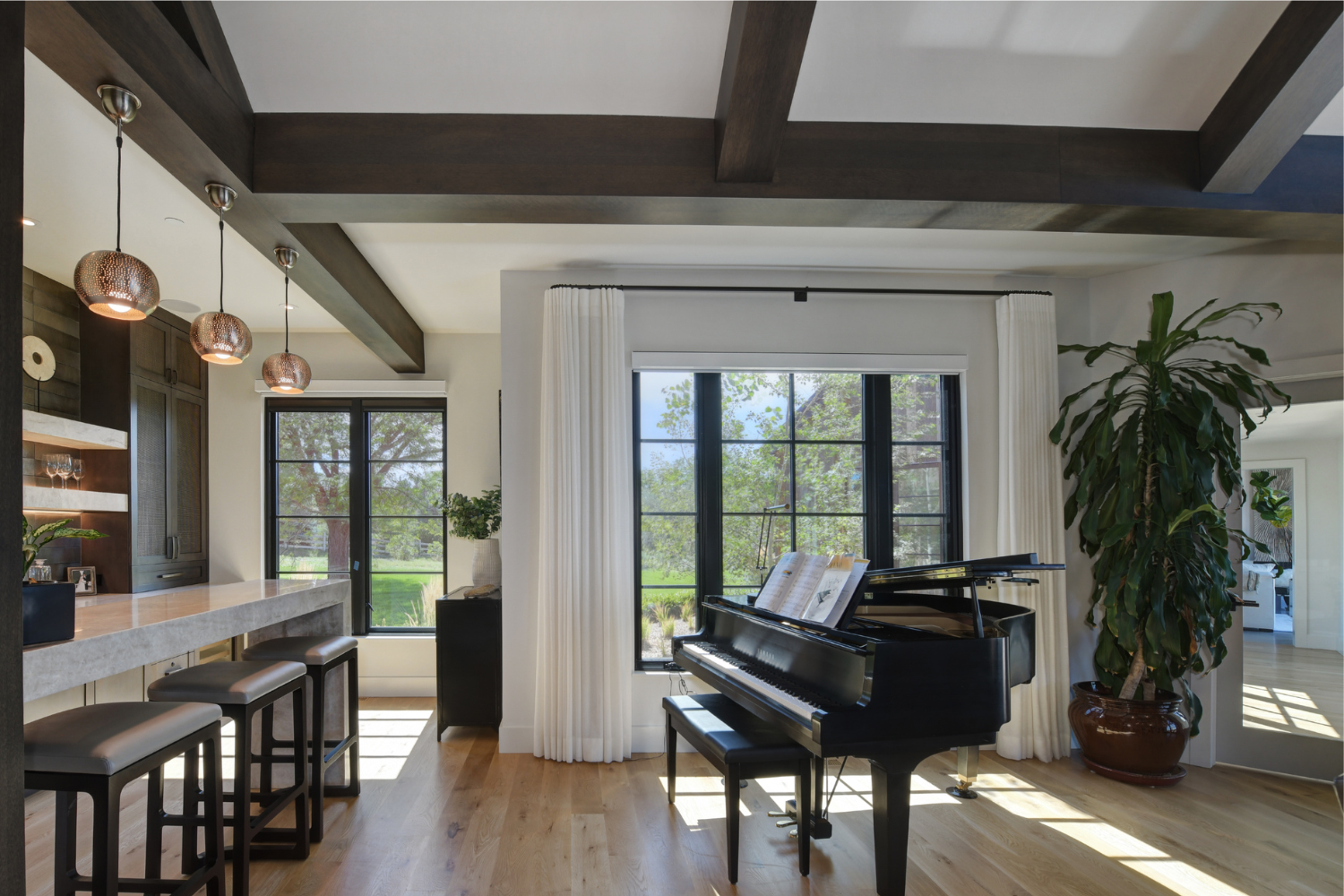
A home should feel connected from one space to the next, even when each room has its own identity.
That connection comes from subtle repetition:
materials that carry through
consistent tones
aligned proportions and spacing
It’s less about everything matching, and more about everything relating.
When that flow is there, the home feels cohesive without feeling overly designed.
Design for How You Live
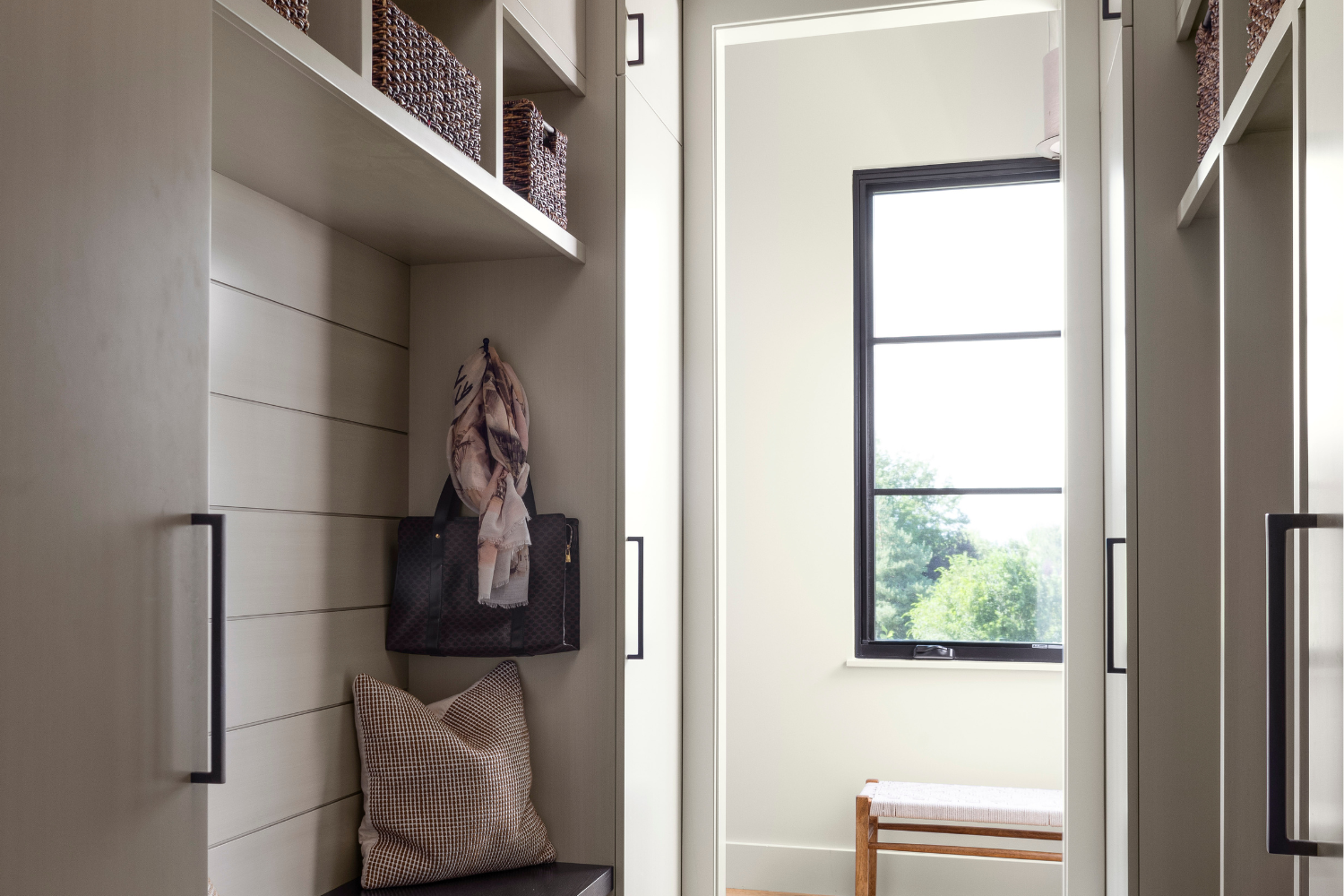
Function is never separate from design — it’s part of it.
Spaces that work well day-to-day often feel the most successful long-term. Whether it’s a mudroom, a built-in, or how a room is laid out, these decisions shape how the home is actually used.
When function is considered early, it allows the design to feel natural and intuitive, rather than forced.
The Process Behind the Scenes


A lot of what shapes a home happens before anything is installed.
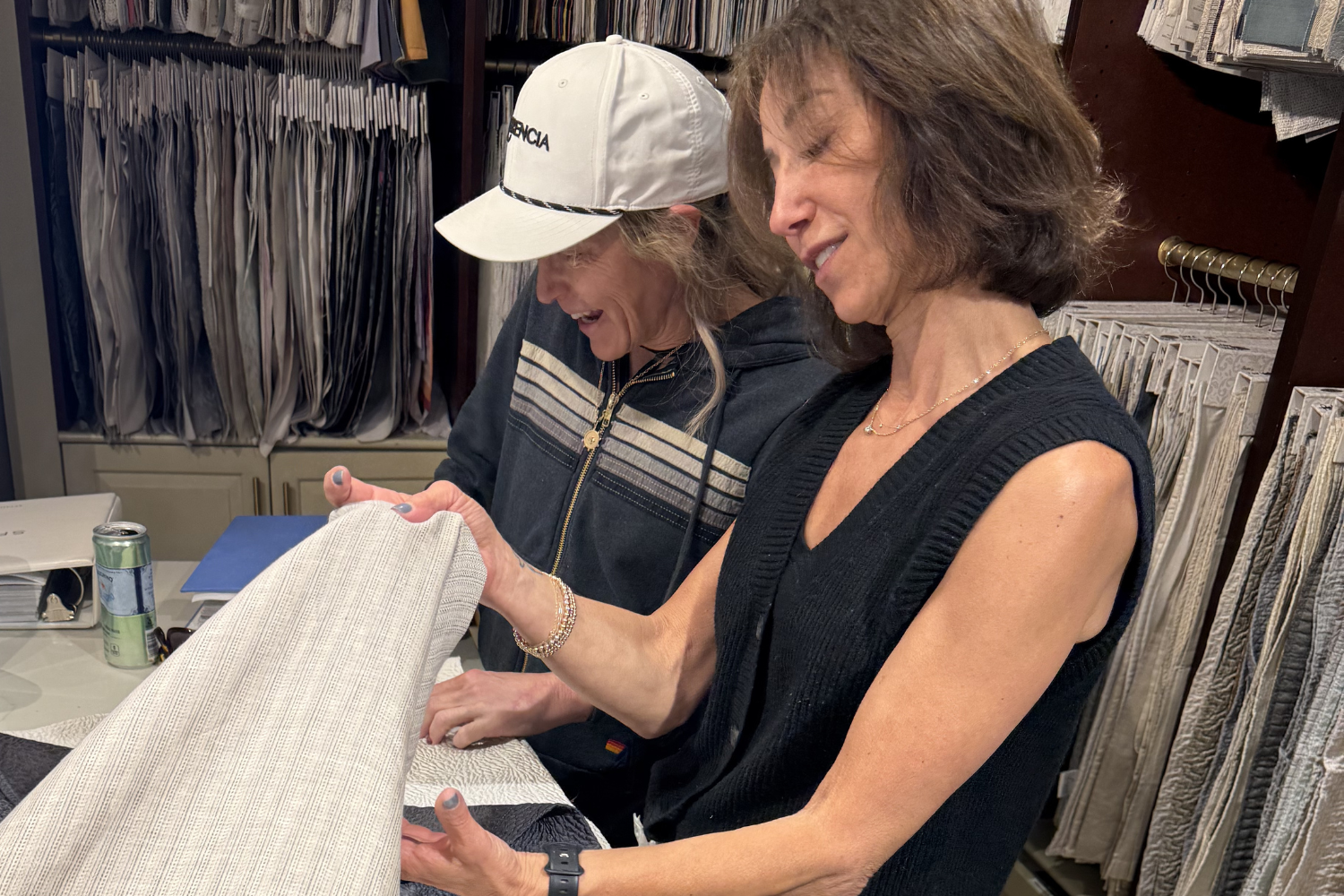
Reviewing materials in person, refining palettes, sourcing pieces that feel aligned — these steps are where the direction of a space is really set.
It’s also where the design becomes more personal. The goal is always to create something that feels specific to the home and the people living in it.
Lighting is one of the final layers that pulls everything together.
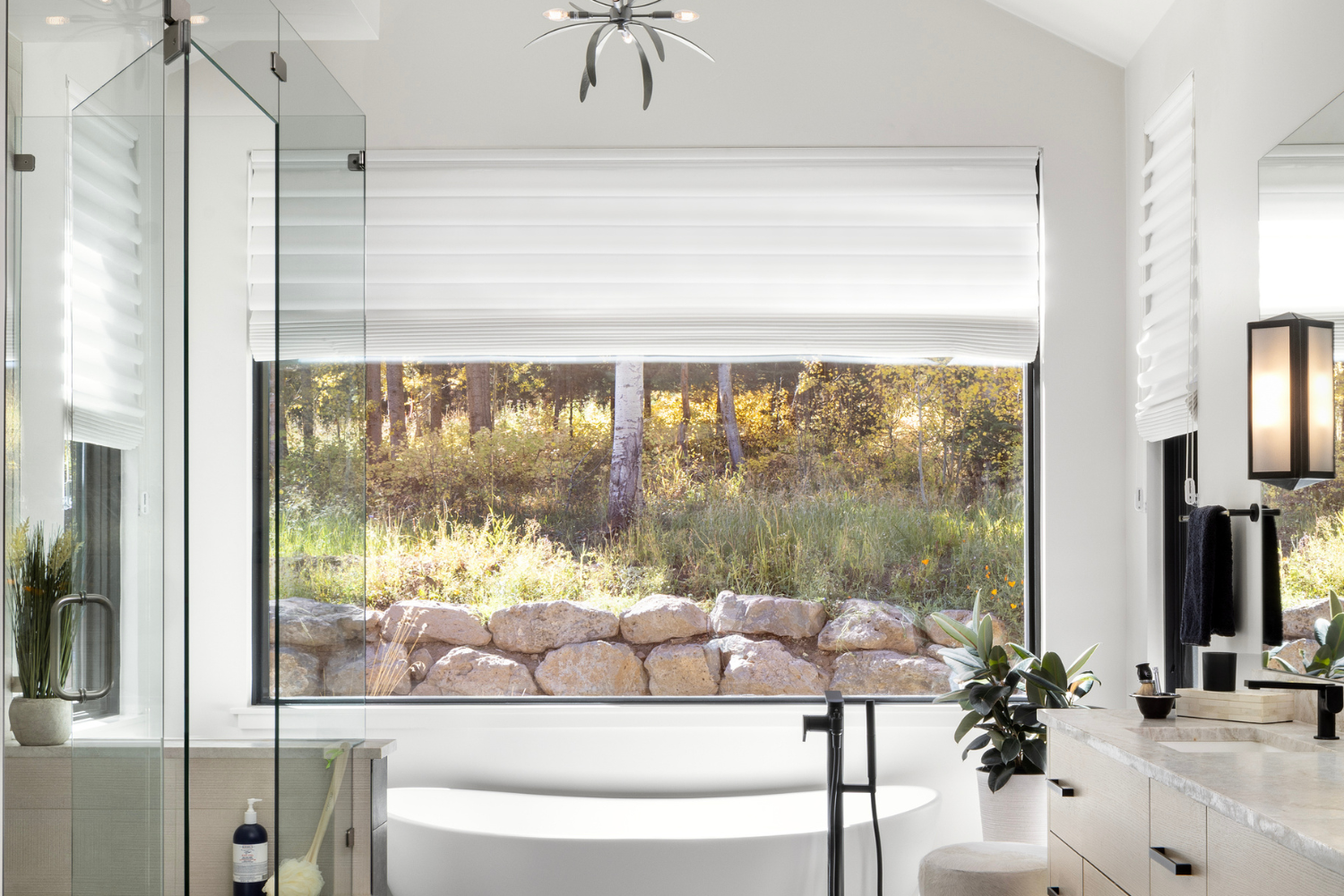
Lighting is one of the final layers that pulls everything together.
It highlights materials, defines mood, and changes how a space is experienced throughout the day.
Rather than thinking of lighting as purely functional, I approach it as something that shapes the atmosphere of a home — softening, highlighting, and adding dimension where it’s needed most.
At the end of the day, a well-designed home isn’t about any one element. It’s about how all of these decisions come together — often in ways that aren’t immediately obvious, but are felt the moment you walk in.
When everything is working in alignment, the result is a space that feels balanced, thoughtful, and easy to live in.
If you're thinking about how to bring this level of cohesion into your own home, whether through a full renovation or more focused updates, I’d love to help guide that process.
